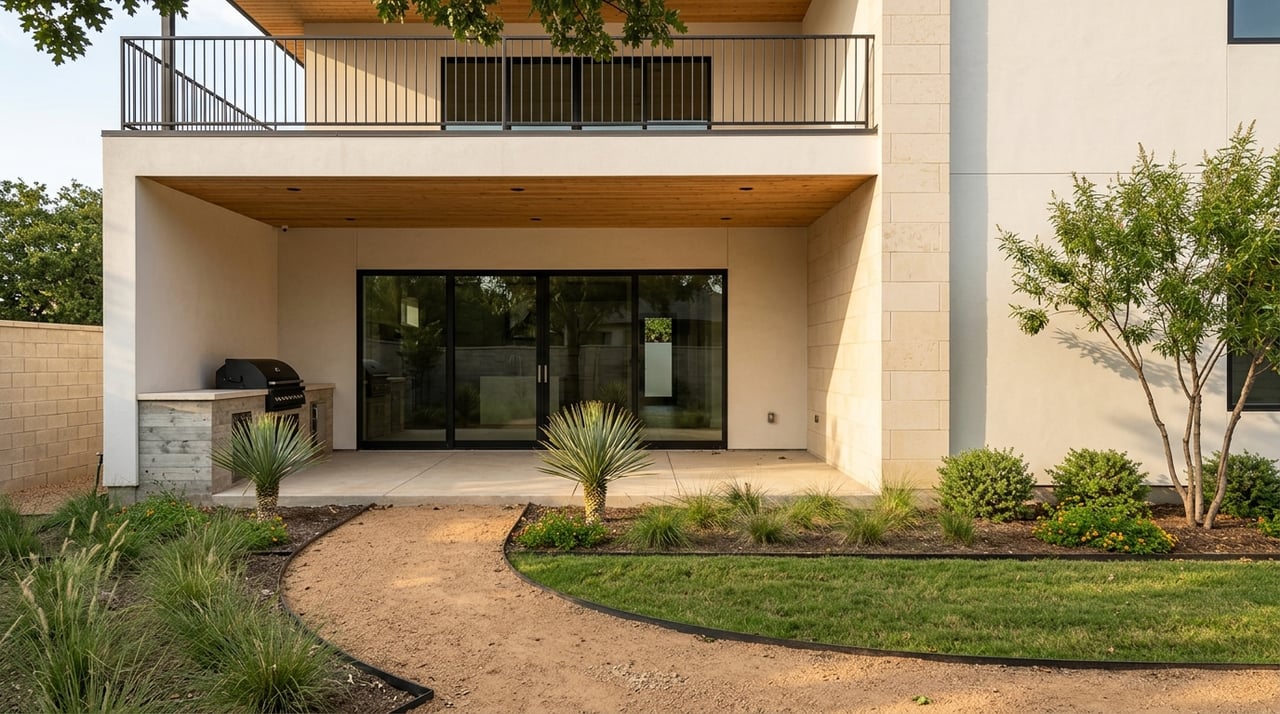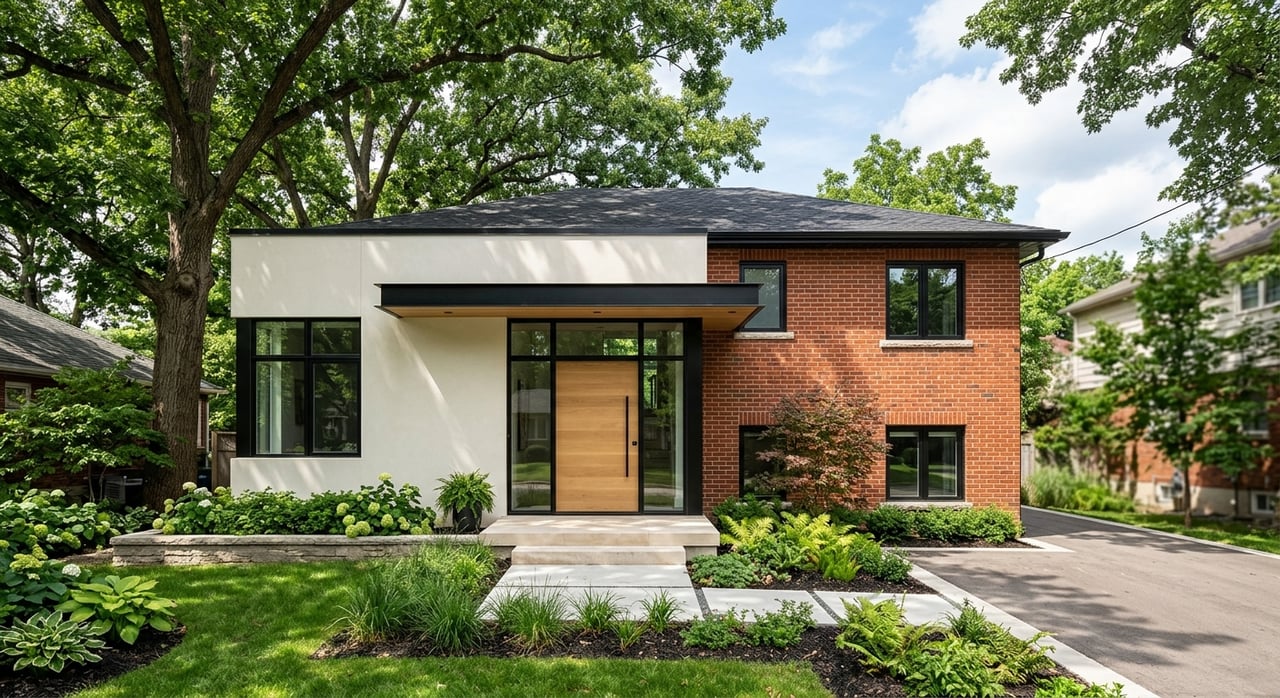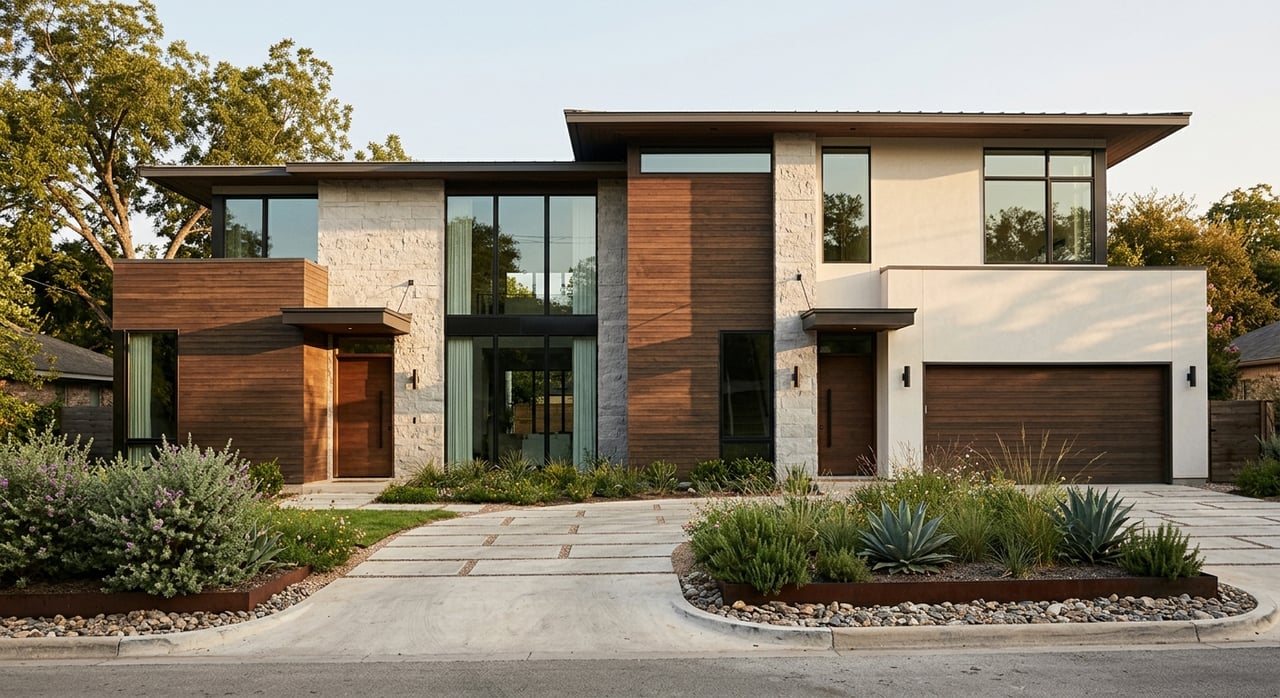
Buying in Highland Park can feel very different from buying almost anywhere else in DFW. Prices are high, inventory is limited, and many homes come with details that matter far beyond square footage and finish level. If you are considering this market, you need more than a general home search plan. You need a clear understanding of how pricing, permits, inspections, and long-term property stewardship can affect your decision. Let’s dive in.
Why Highland Park Feels Different
Highland Park is a compact, long-established town in Dallas County, and that history still shapes the market today. The town says residents voted to incorporate in 1913, and much of the area was built out long ago, with later growth happening on remaining vacant lots.
That matters because in a built-out luxury market, each property can have its own story. Lot position, block character, tree canopy, renovation quality, and how a home fits local rules can all affect value in a meaningful way.
The town also states that Highland Park is known for strict construction standards and quality housing. For you as a buyer, that means the conversation is often about much more than cosmetics. A beautiful kitchen may catch your eye, but the real question is whether the property’s condition, history, and future potential support the price.
What Pricing Really Looks Like
Highland Park is firmly a multimillion-dollar market, but the exact price picture depends on which metric you are looking at. Recent public snapshots reported an average home value near $2.93 million, a median list price of $3.60 million at the end of April 2026, a March 2026 median sale price of $2.21 million, and a March 2026 median listing price of $4.5 million.
Those numbers are not direct apples-to-apples comparisons because they measure different parts of the market. Still, they point to the same reality: this is a high-price, low-volume segment where broad averages only tell part of the story.
For you, that means offer strategy should be property-specific. One home may justify a strong, clean offer quickly, while another may leave room to negotiate if pricing, condition, or time on market is out of step.
Expect Limited Inventory
Public market snapshots suggest inventory remains relatively tight. Zillow reported 39 homes for sale and 14 new listings in April 2026, while Redfin reported 9 homes sold in March 2026 with a median of 14 days on market.
At the same time, Realtor.com described Highland Park as a buyer’s market in March 2026 and noted that homes sold for about asking price on average. That mix of signals is exactly why buyers should avoid assuming every home will follow the same pattern.
In a market like this, speed matters, but discipline matters more. The goal is not just to win a home. It is to win the right home on terms that still make sense for your goals.
Why Schools Influence Demand
For many buyers, Highland Park ISD is part of the appeal. According to the district, it has eight campuses, serves the Park Cities, and enrolls about 6,300 students.
The district also states that students must live within the district boundary to attend school. For buyers, that makes boundary confirmation an important part of due diligence when school access is one of your priorities.
This is one reason Highland Park values can behave differently from nearby markets. When location, housing quality, and district boundaries overlap in a compact area, demand often becomes more property-sensitive and more competitive.
Tour Planning Takes More Coordination
Luxury home tours in Highland Park may require more logistics than you expect. The town has resident-only parking in multiple blocks, including daytime permit areas and 24-hour permit areas, and it provides resident permits, guest permits, and construction-vehicle permits.
That may sound like a small detail, but in practice it can affect how smoothly a showing goes. Parking access, timing, and curbside arrival can all shape the experience when you are viewing a high-end property.
If you are touring several homes in one day, planning matters. A well-organized showing schedule can help you stay focused on the homes themselves instead of getting distracted by avoidable access issues.
Renovation Questions Should Come Early
In Highland Park, renovation feasibility should be part of your buying decision from the start, not something you figure out after closing. The town requires permits for new construction, remodeling and additions, pools, fences, drainage work, electrical work, plumbing work, mechanical work, and several other categories.
The town also says permits are required before construction begins, plan review happens before work starts, and inspections are required before work is concealed. Property owners are responsible for making sure permits are obtained, and general contracting and trade work must be performed by Texas-licensed and town-registered professionals.
This matters if you are looking at a home and thinking, “We can always change that later.” In Highland Park, “later” may involve permitting, contractor registration, plan review, and inspection steps that affect timeline and budget.
Zoning Can Shape Your Plans
If you want a property with flexibility for future use, verify the zoning rules before you assume a feature will work the way you want. The town’s zoning ordinance states that accessory buildings may not contain kitchen facilities, may not be rented, and may not be used commercially.
That is especially important if you are imagining a guest house, studio, or outbuilding with income potential. In this market, it is wise to separate what looks possible from what is actually allowed.
Major changes may also involve more public visibility than buyers expect. The town’s zoning guidance advises applicants to contact adjacent neighbors within 200 feet during conceptual design, invite comments before formal notice, and provide clear plan documents and an artistic rendering of the proposed structure.
Budget for More Than the Purchase Price
In a luxury market, carrying costs and project fees deserve real attention. Highland Park’s fee schedule lists a minimum permit fee of $55, contractor registration at $125, and a $250 nonrefundable plan review fee for residential renovations involving structural, egress, or kitchen and bathroom modifications.
The town also lists utility tap fees for new construction. These may be modest in comparison to a multimillion-dollar purchase, but they still matter when you are building a full ownership budget.
Property taxes matter even more. The town states its property tax rate is $0.199296 per $100 of assessed valuation, that Dallas Central Appraisal District establishes property values, and that taxes are due in October and become late after February 1.
The town also notes an optional 20% homestead exemption and a $50,000 over-65 exemption. If you are evaluating affordability, these ongoing costs should be part of the conversation as early as possible.
Inspections Matter Even More Here
Highland Park’s emphasis on permits and inspections is a strong reminder that due diligence should go deeper than surface-level design. The town says permits and inspections help ensure safe construction and sound materials, and inspections must occur before work is concealed.
If you are buying an older home or a heavily renovated home, take a close look at the big-ticket items. That includes roof condition, structure, drainage, and major systems, along with any available permit history and contractor documentation.
The town also notes that remodeling can be burdensome and disruptive to adjoining residents and may last more than 12 months. So if you are buying with renovation in mind, it is wise to think about both construction scope and construction lifestyle before you commit.
Privacy Should Be Part of the Plan
Privacy is often a bigger consideration in luxury purchases, and Highland Park buyers should treat it as part of transaction strategy. The town’s open-government materials explain that the Texas Public Information Act gives the public the right to request access to existing government information.
In practical terms, permits, zoning applications, parking permissions, and other municipal interactions can create a public record. That does not mean you should avoid projects. It means you should approach communication, planning, and documentation thoughtfully.
This is one place where construction-savvy representation can make a real difference. When a purchase may involve both a real estate decision and a future project decision, clarity upfront can help protect your time, budget, and peace of mind.
Think Like a Long-Term Steward
Buying in Highland Park is not only about getting through closing. It is also about how the property fits your long-term plans and how you will care for it over time.
The town’s history and current materials emphasize a park-centered community, strict construction standards, and high housing quality. It also maintains 22 park locations and 59.3 acres of green space, with Lakeside Park described as its largest and most iconic park.
That civic setting helps explain why exterior presentation, landscaping, tree canopy, and overall block character often carry weight in the luxury market. In other words, stewardship is part of value here.
How To Buy More Confidently
If you are entering the Highland Park luxury market, your best advantage is preparation. You do not need to know every code section or fee line item by memory, but you do need a plan that matches the property you are pursuing.
A smart buying approach often includes:
- Confirming what matters most to you before touring
- Reviewing location and district-boundary details carefully
- Evaluating whether the asking price aligns with condition and market exposure
- Asking renovation and permit questions early
- Building taxes, fees, and post-close work into your budget
- Looking beyond finishes to the home’s systems, drainage, and documentation
Highland Park can reward buyers who are clear, patient, and well-advised. When you understand the process from foundation to finish, you can make decisions that serve both your lifestyle and your long-term goals.
If you are considering a purchase in Highland Park and want clear guidance on both the transaction side and the property-feasibility side, connect with Hilary Waters to schedule a consultation.
FAQs
What should you expect from Highland Park home prices?
- You should expect multimillion-dollar pricing, but not every property will behave the same way. Public market snapshots show different pricing metrics, which is why each home needs its own valuation and offer strategy.
What should you know about Highland Park renovations before buying?
- You should know that the town requires permits for many types of work, including remodeling, additions, pools, drainage, and major trade work. Plan review and inspections are part of the process, so renovation feasibility should be checked early.
What should you know about Highland Park accessory buildings?
- You should verify zoning rules before assuming an accessory building can be used a certain way. The town states that accessory buildings may not include kitchen facilities, may not be rented, and may not be used commercially.
What should you expect from Highland Park property taxes?
- You should expect property taxes to be an important part of your ownership budget. The town states its tax rate is $0.199296 per $100 of assessed valuation, with taxes due in October and late after February 1.
What should you know about Highland Park school attendance boundaries?
- You should know that HPISD states students must live within the district boundary to attend school. If district access is important to you, boundary confirmation should be part of your due diligence.
What should you expect from Highland Park luxury home inspections?
- You should expect inspections and documentation review to matter a great deal, especially for older or renovated homes. Looking closely at permit history, structure, drainage, roof condition, and major systems can help you make a more informed decision.