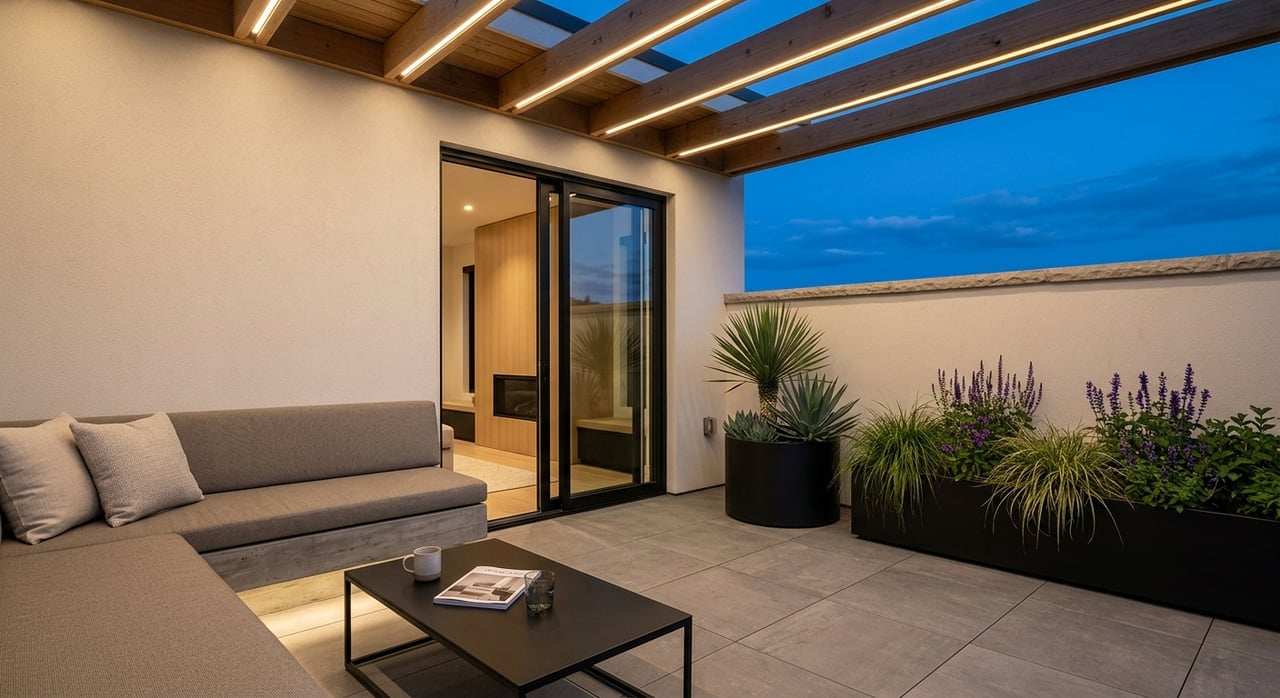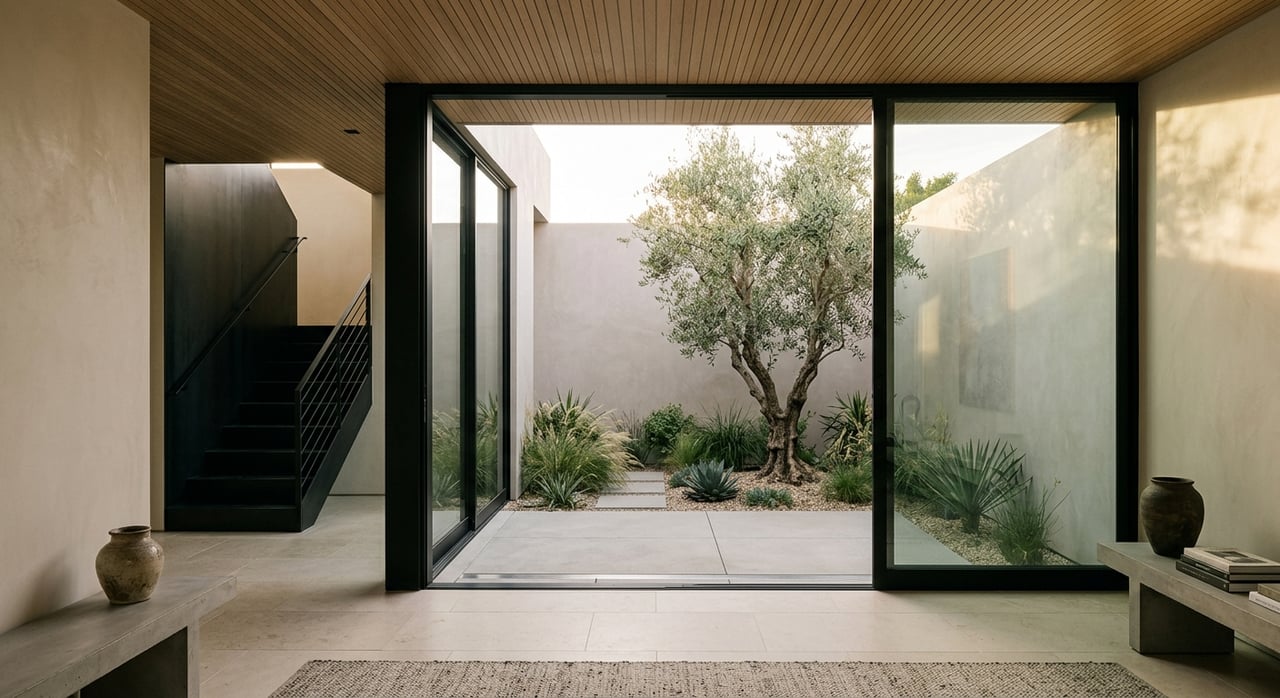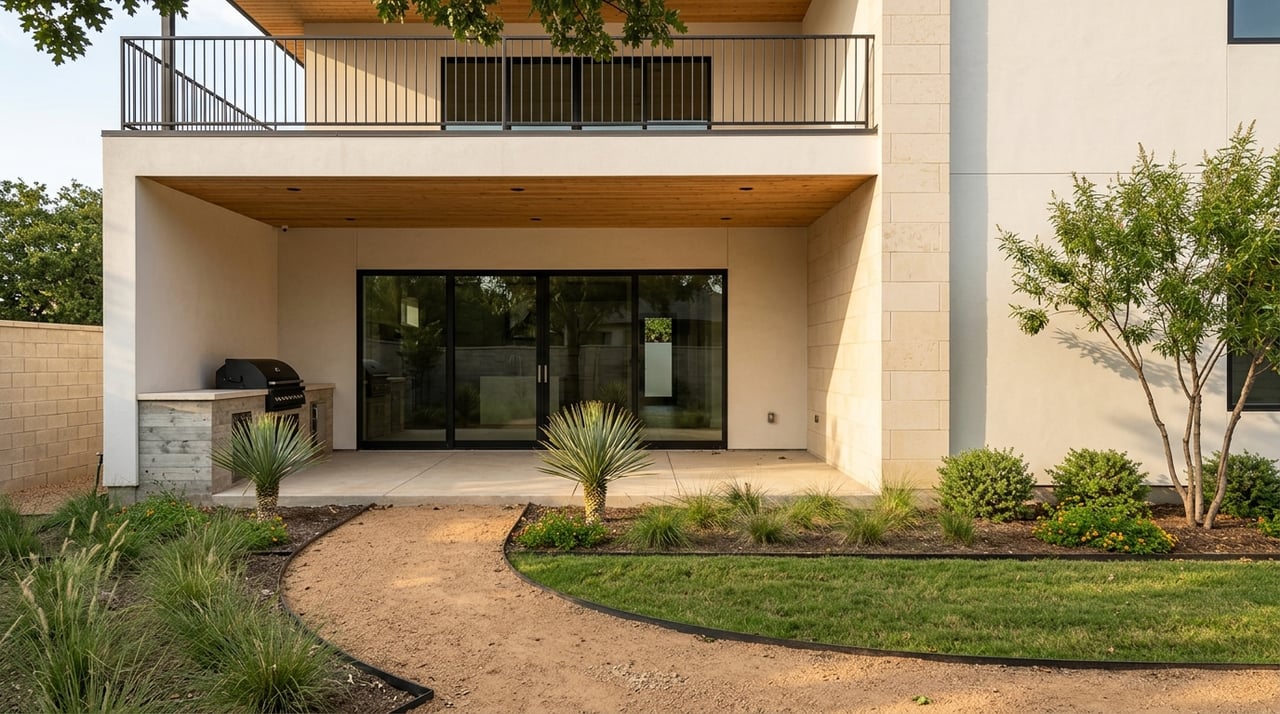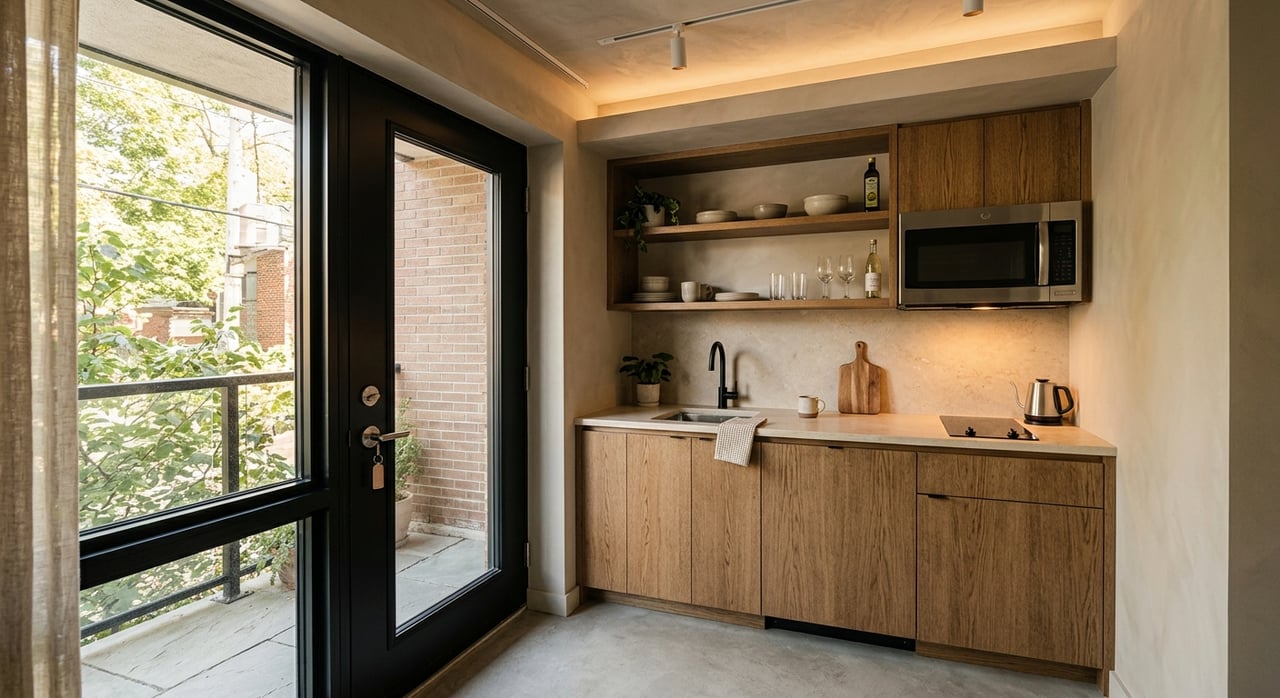
Thinking about buying new construction in Trinity Groves and letting part of the property help cover the payment? You are not alone. This part of Dallas attracts buyers who want modern design, flexible living, and close access to downtown, but the success of a house-hack plan depends on details that go far beyond the neighborhood name. In this guide, you will learn how new construction and house hacking can work in Trinity Groves, what Dallas rules matter most, and where to slow down before you commit. Let’s dive in.
Why Trinity Groves Gets Attention
Trinity Groves sits in West Dallas near downtown at the western end of the Margaret Hunt Hill Bridge. The area has evolved from a former warehouse and trucking site into a restaurant and retail destination with long-term mixed-use residential growth.
For buyers, that creates a strong urban infill story. You get a location connected to downtown, near parks and trails, and well suited for modern new-build housing. That mix is a big reason buyers often look at Trinity Groves for flexible living setups.
What House Hacking Means Here
House hacking usually means you live in one part of the property and use another part to create rental income. In Trinity Groves, that could mean a duplex, a home with an accessory dwelling unit, or a layout designed for future rental flexibility.
The key point is simple: the strategy depends on the parcel, not the area label. Just because a home is marketed in Trinity Groves does not mean it automatically qualifies for a duplex, ADU, or short-term rental setup.
That is where a clear plan matters. As a broker, builder, and developer, I always encourage buyers to treat income potential as something to verify, not assume.
Start With Zoning First
Before you get excited about a floor plan, confirm what the lot actually allows. The City of Dallas says official zoning verification should be done through the City of Dallas Map Hub and DallasNow Building Module, or by requesting a determination letter.
If a parcel is zoned for D duplex use, Dallas standards say duplex dwelling is the primary use. Those standards include a 25-foot front yard, a 36-foot height cap, no maximum dwelling-unit density, and a 6,000-square-foot minimum lot area for residential use.
That matters because duplex house hacking and ADU house hacking are not the same path. Each one has different rules, and the lot has to support the path you want.
ADUs Are Not Automatically Allowed
Dallas defines an ADU as a rentable additional dwelling unit that is subordinate to the main unit on a site with a single-family use. In most cases, ADUs are not allowed by right.
Instead, they generally require either the neighborhood overlay process or, where applicable, a Board of Adjustment special exception. So if your plan is to build a main home plus a backyard rental unit, you need to know early whether that approval path is realistic.
ADU Design Rules Shape the Plan
Dallas also sets design limits for detached ADUs under the overlay code. In general, a detached ADU must be at least 200 square feet, cannot exceed the greater of 700 square feet or 25% of the main structure, is limited to one story, and cannot sit in front of the main structure unless a special exception is granted.
Those rules affect layout, privacy, and resale appeal. They also influence whether the second unit will function well for a tenant or simply feel like an afterthought.
New Construction Gives You More Control
One big advantage of new construction is that you can plan for flexibility from the beginning. Instead of trying to retrofit an older home, you can think through separate entrances, privacy, utility placement, and how each space will function day to day.
That said, good design still has to fit Dallas rules. Utility planning is especially important because Dallas limits electrical services and meters on these property types.
- A lot with an ADU may have no more than two electrical services and two meters.
- A lot for duplex use may have no more than one electrical service and two meters.
These are not small details. They can affect construction choices, operating costs, and how practical the property is as a true house-hack setup.
Separate Living Space Matters
If you want a rental-ready layout, the unit should function like a real independent space. Fannie Mae says an ADU must include independent living, sleeping, cooking, and bathroom space, and it must be accessible without going through the primary residence.
That makes thoughtful design a major part of the strategy. Separate access, privacy, and a true kitchen and bath setup can matter just as much as square footage.
Floodplain Screening Should Happen Early
Because Trinity Groves sits along the Trinity River, floodplain review is not something to leave for later. Dallas says development in the regulatory 1% annual chance floodplain is reviewed before permitting.
If a new structure is in that area, it requires a floodplain fill permit and final City Council approval. That can affect timeline, feasibility, and total project cost.
For buyers looking at new construction or lot opportunities, this is one of the first due-diligence items to check. A beautiful concept on paper can become much more complicated if floodplain issues show up late.
Permits and Inspection Phases Matter
Residential new construction and major repairs in Dallas require a Residential Permit through DallasNow. The city also notes that new construction is checked at several phases during inspections.
That means your timeline should include more than contract dates and lender deadlines. It also needs to account for permitting, construction stages, inspections, and any revisions that come up during the process.
This is where construction-savvy guidance can make a real difference. When you understand the build path from the start, you can make better decisions about budget, finish selections, and move-in timing.
Rental Strategy: Short-Term vs. Longer-Term
A lot of buyers hear “Trinity Groves” and immediately think short-term rental. Sometimes that works, but not every property qualifies.
Dallas defines a short-term rental as a full or partial rentable unit rented for fewer than 30 days. Owners must register the property for free, collect hotel occupancy taxes from guests, and report and pay those taxes monthly.
Short-Term Rentals Need the Right Zoning
Dallas says short-term rentals may be located only in certain zoning categories. These include MO(A), GO(A), multifamily, central area, mixed use, multiple commercial, and urban corridor districts.
So if you are buying a single-family new build and hoping to use it as a short-term rental, do not assume the neighborhood branding makes it eligible. The parcel zoning must allow that use.
Dallas also applies occupancy and density limits. Maximum occupancy is three people per bedroom and 12 total, and multifamily buildings face density caps.
Mid-Term and Long-Term Rentals Still Have Rules
If your plan is a 30-plus-day lease, that is not considered a short-term rental under Dallas rules. But that does not mean there are no city requirements.
Dallas has a single-family rental program that requires annual registration and renewal for rental properties, including single-family homes, each duplex unit, and condominium units. The program also includes periodic inspections.
For house hackers, this is an important distinction. A longer-term rental strategy may avoid short-term rental rules, but it can still trigger rental registration and inspection requirements if the unit is non-owner occupied.
Owner Occupancy Can Change the Equation
For owner-occupied house hacking, Dallas places specific conditions on ADUs under the overlay rules. The owner must live in either the main structure or the ADU during the tenancy, and the ADU cannot be sold separately from the main building.
That rule matters if your goal is to offset housing costs while still keeping a primary residence. It supports the common house-hack model, but it also limits how the property can be used in the future.
Financing and Underwriting Need a Realistic Plan
Rental income is often part of the appeal, but lenders look at more than your vision board. They must make a good-faith ability-to-repay determination based on your income, assets, employment, credit history, and monthly expenses.
In plain terms, the loan program and occupancy type matter just as much as the layout. A smart house-hack plan needs to work on paper with your lender, not just in your head.
When Rental Income May Help You Qualify
Fannie Mae says rental income from the subject property can be used in certain situations, including:
- A one-unit principal residence with an existing ADU
- A two- to four-unit principal residence where you occupy one unit
- A one- to four-unit investment property
Fannie Mae also says a borrower building a new one-unit property with an ADU can use construction-to-permanent financing. It also notes that ADUs are not eligible with a 2-4 unit dwelling.
This is one reason your structure choice matters early. A duplex strategy and an ADU strategy may lead to very different financing conversations.
Taxes Are Part of the Planning
If you are owner-occupying part of the property, tax treatment deserves attention too. Dallas Central Appraisal District says a homestead exemption can only be claimed on the portion of the property you occupy as your primary residence.
If part of the property is used for rental purposes, you should list the square footage not used as homestead and the date it was rented. That is a detail many buyers miss when they focus only on the purchase and build.
IRS Publication 527 also states that if a dwelling unit is used as a home and rented for 15 days or more during the year, the rental income must be included, and expenses must be split between personal and rental use. That is another reason to keep good records from the beginning.
What a Strong Trinity Groves House-Hack Plan Looks Like
The best new-construction house hacks usually balance design, legality, and daily function. They are not based on hype. They are based on a property that can actually support the intended use.
Here is what to look for:
- Verified zoning for your intended use
- Early floodplain review
- A realistic permit path through DallasNow
- A layout with separate access and true living functions
- Utility and meter planning that fits Dallas limits
- A lender strategy that matches the property type
- A rental plan that matches Dallas registration rules
- A tax plan that reflects owner occupancy and rental use
When those pieces align, new construction can offer strong flexibility. You may be able to create a home that supports your lifestyle now while giving you options for income and equity growth over time.
Why Builder-Level Guidance Helps
Infill neighborhoods like Trinity Groves can create exciting opportunities, but they also come with more moving parts. Lot constraints, zoning details, permit timelines, and design choices all affect whether a house-hack plan works in real life.
That is why I believe buyers need more than sales talk. You need clear answers, a practical process, and someone who understands both the transaction side and the construction side from foundation to finish.
If you are exploring new construction or a house-hack strategy in Trinity Groves, Hilary Waters can help you evaluate the lot, the plan, and the path forward with clarity.
FAQs
What is house hacking in Trinity Groves?
- House hacking in Trinity Groves usually means you live in one part of the property and rent another part, such as a duplex unit or an ADU, but the exact option depends on the parcel’s zoning and city rules.
Can you build an ADU in Trinity Groves, Dallas?
- Maybe, but not automatically. Dallas says ADUs are generally not allowed by right in most cases and usually require either the neighborhood overlay process or a Board of Adjustment special exception where applicable.
Can a Trinity Groves property be used as a short-term rental?
- Only if the parcel is in a Dallas zoning category that allows short-term rentals. The city does not allow them everywhere, even in urban neighborhoods.
Does a Trinity Groves house-hack property need rental registration?
- If the unit is non-owner occupied and used as a rental, Dallas rental-registration rules may apply, including annual registration and periodic inspections for eligible property types.
Why does floodplain status matter for Trinity Groves new construction?
- Trinity Groves is near the Trinity River, and Dallas requires review for development in the regulatory 1% annual chance floodplain. New structures there may require a floodplain fill permit and final City Council approval.
Can rental income help you qualify for a Trinity Groves house-hack loan?
- In some cases, yes. Fannie Mae says rental income from the subject property may be used for certain property and occupancy types, but the loan program and property setup have to fit the guidelines.
Can you keep a homestead exemption on a house-hack property in Dallas County?
- Yes, but only on the portion of the property you occupy as your primary residence. DCAD says the rental portion should be identified by square footage and rental date.