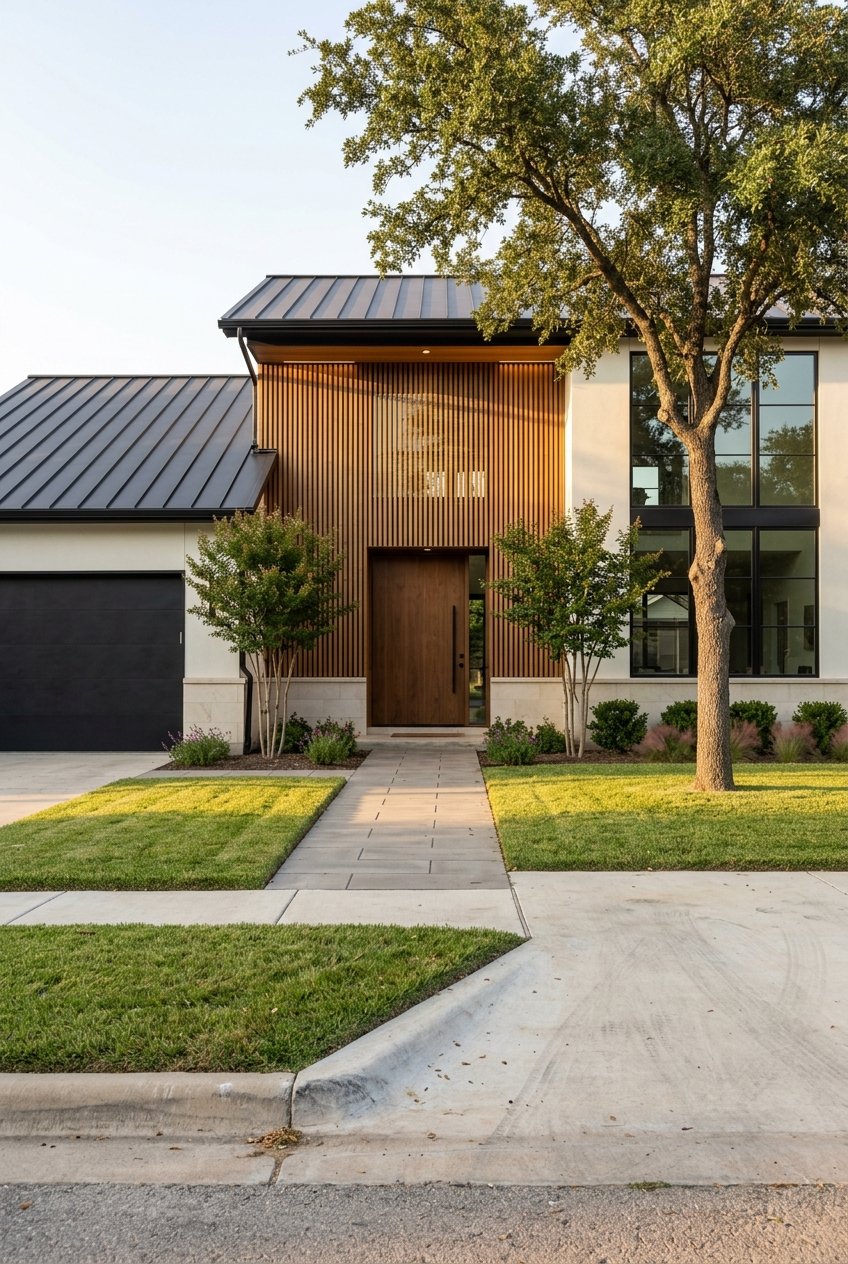
If you are trying to decide whether to build or buy your next home in Mansfield, you are not alone. In a city that is growing quickly and adding new housing while still offering a healthy resale market, the right answer depends on your timeline, budget, and comfort with the process. This guide will help you compare both paths in practical terms so you can move forward with more clarity and less guesswork. Let’s dive in.
Mansfield offers both paths
Mansfield continues to grow, which helps explain why both new construction and resale homes are active parts of the local market. The U.S. Census Bureau estimates Mansfield’s population at 84,444 as of July 1, 2025, which is up 16.3% from the 2020 base. Census QuickFacts also lists a 2020-2024 median value of owner-occupied housing units at $410,700.
You can also see that growth in the city’s planning activity. Mansfield’s Planning Department highlights ongoing development and future land use planning, including projects under construction and new residential communities. One notable city-listed project, Staybolt Street, includes multiple housing options and 700 new single-family homes, which suggests new-build opportunities should remain part of the Mansfield market.
At the same time, resale inventory is still very relevant. Recent market snapshots show hundreds of active listings, with median sale prices reported in a range depending on the source and methodology. Realtor.com reports a median sale price of $527.5K and Redfin reports a median sale price of $487K, so it is smart to view those numbers as a range, not a single fixed benchmark.
Build vs buy at a glance
Before you choose a direction, it helps to compare the main tradeoffs side by side.
| Factor | Build in Mansfield | Buy in Mansfield |
|---|---|---|
| Timeline | Usually longer, often measured in months | Usually faster, often measured in weeks |
| Customization | More finish and layout control | Limited to the home as it exists |
| Repair uncertainty | Often lower in the near term due to new systems and builder warranty coverage | More dependent on inspection results and property condition |
| Inventory feel | May include homes in developing areas or planned communities | Lets you see the exact home, lot, and surroundings now |
| Upfront process | May include a builder deposit and more early decisions | More straightforward purchase path in many cases |
| Price certainty | Can shift with upgrades and selections | Usually easier to evaluate based on current condition and comps |
When building may make more sense
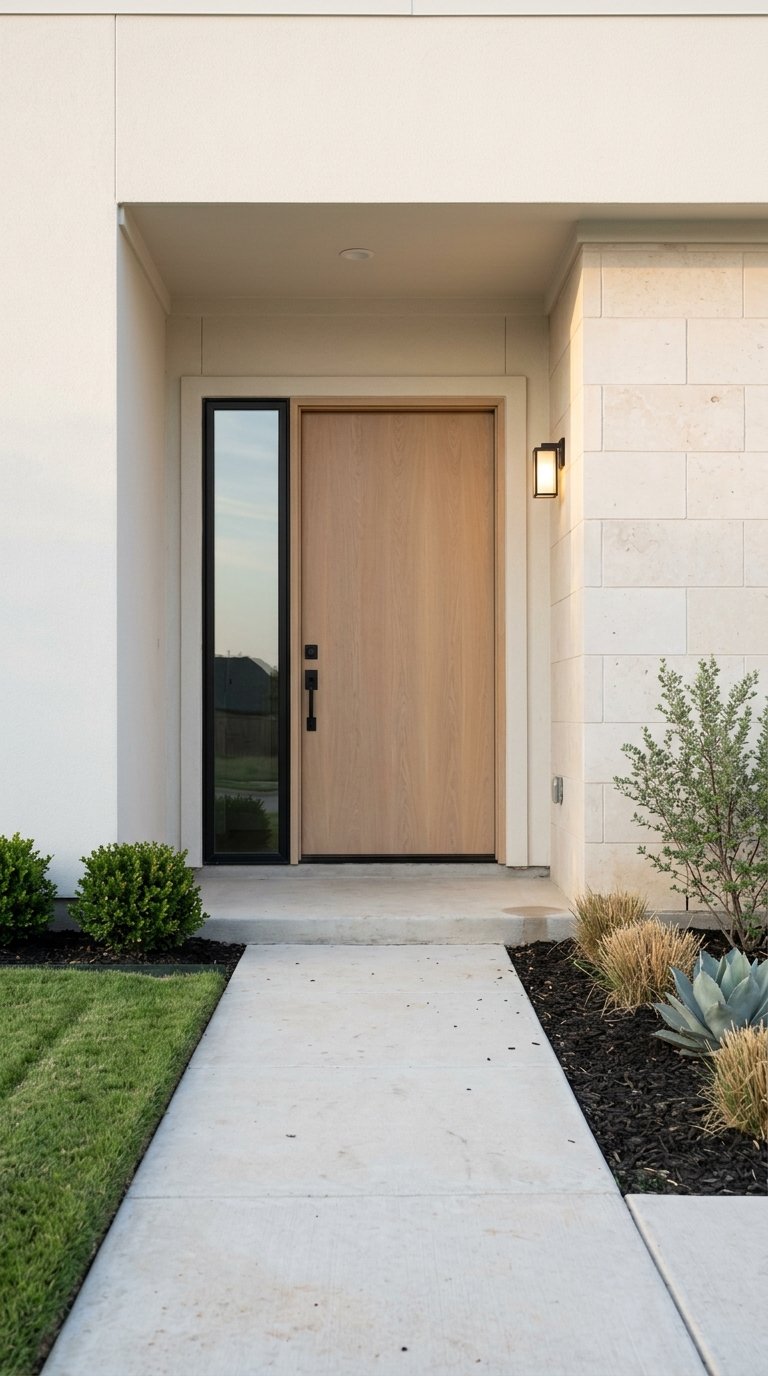
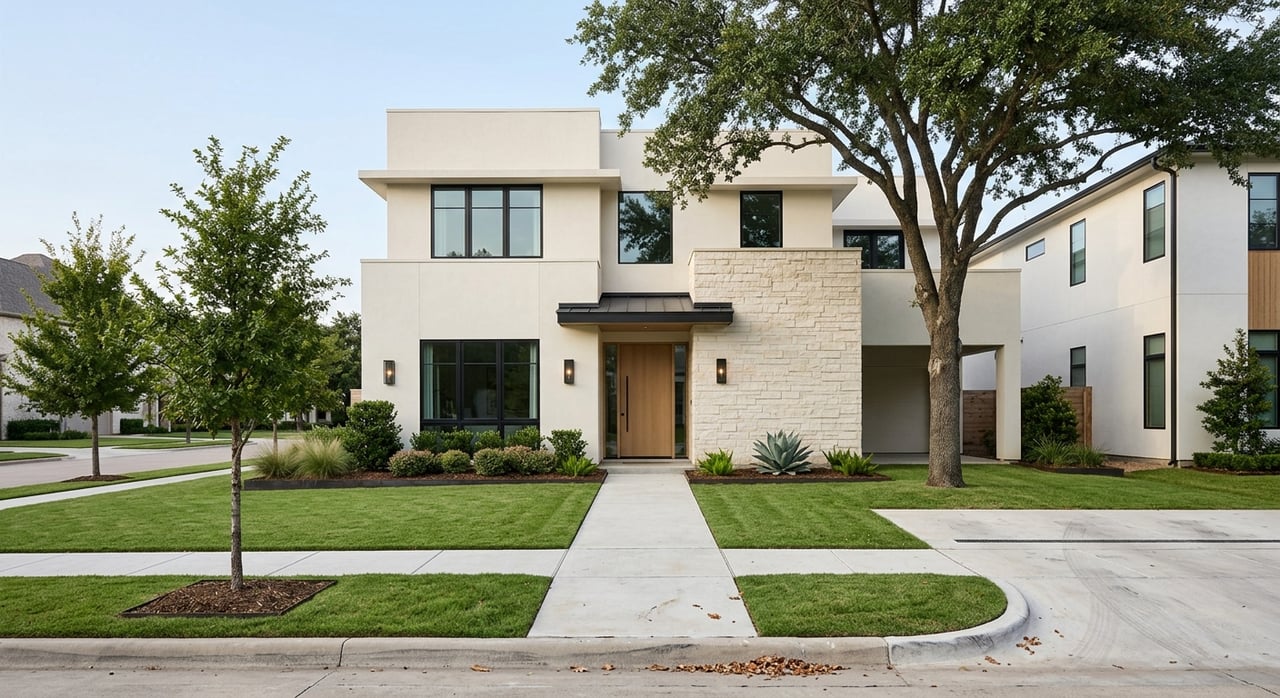
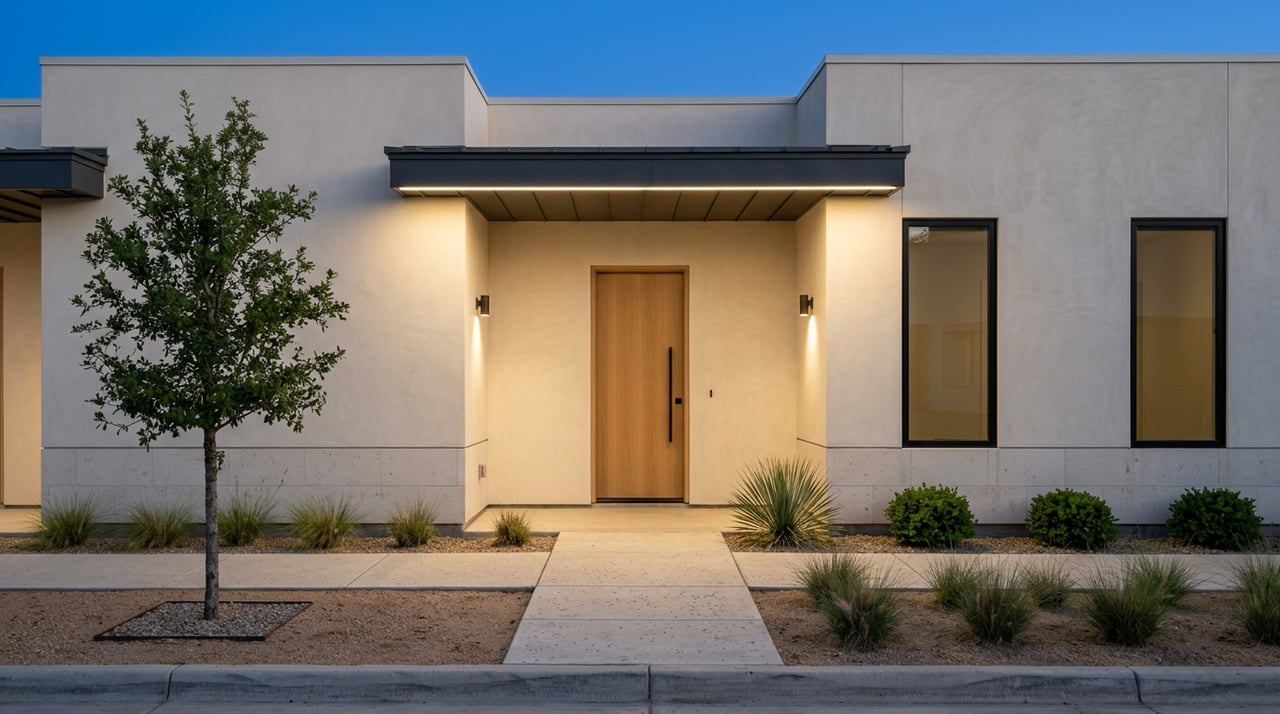
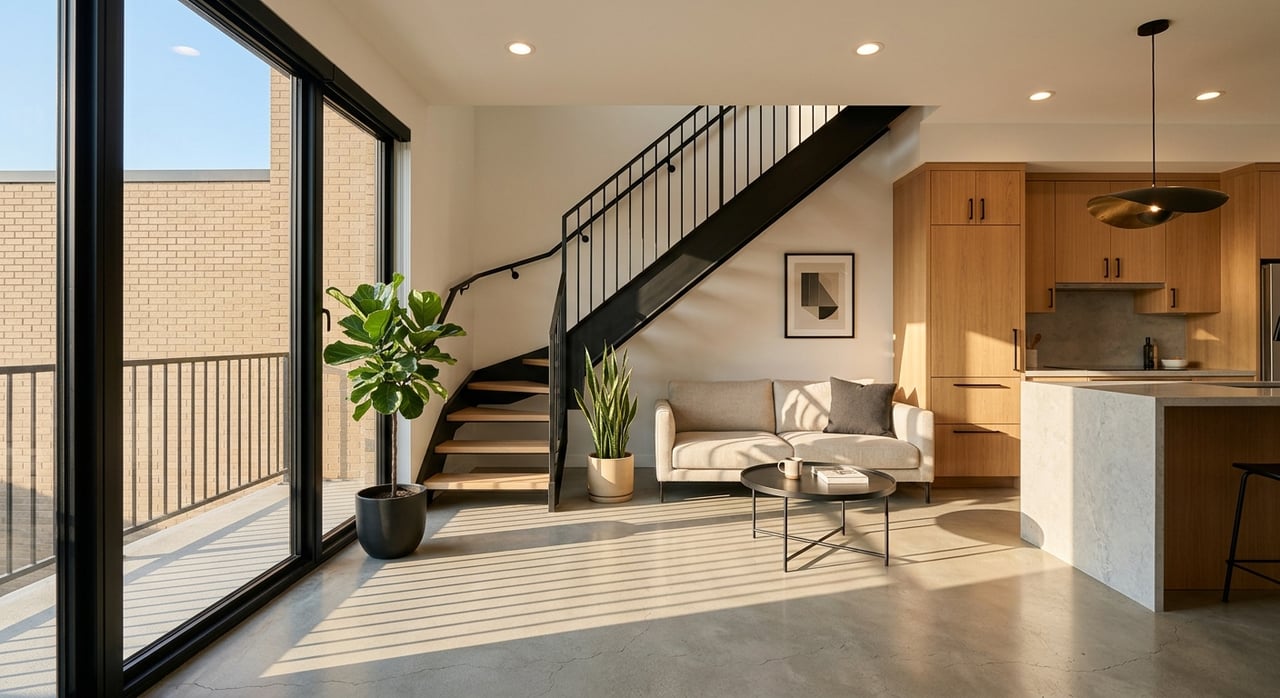
Building can be a strong fit if you want more control over the finished product. Many buyers like being able to choose finishes, materials, and features that fit their lifestyle instead of settling for someone else’s design choices. If your goal is a home that feels tailored to you, that can be a major advantage.
A new home may also reduce short-term repair surprises. The FTC says most newly built homes come with a builder warranty, with common coverage periods of one year for workmanship and materials, two years for HVAC, plumbing, and electrical systems, and up to 10 years for major structural defects. That does not eliminate every risk, but it can lower some of the near-term uncertainty.
You may also see potential operating-cost benefits with newer construction. The CFPB notes that building codes and energy efficiency can affect utility and insurance costs. That does not guarantee a lower monthly cost, but it is a worthwhile line item to compare when you are weighing total ownership costs.
When buying may make more sense
Buying an existing home often works better if you need to move sooner. ICE Mortgage Technology reported that purchase loans closed in 40.3 days on average in May 2025, which gives you a useful benchmark for a typical purchase timeline. In contrast, the National Association of Home Builders reported that the average time to complete a single-family home in 2023 was 10.1 months.
An existing home also gives you more certainty about what you are getting right now. You can walk the actual lot, evaluate the floor plan in person, and see the surrounding streets and nearby development as they exist today. That can make your decision feel more grounded, especially if you value predictability.
For some buyers, resale also means fewer early-stage decisions. You are not choosing as many finishes, negotiating upgrade menus, or managing a long build timeline. If you want a simpler path from contract to closing, buying may feel more manageable.
Compare the real costs carefully
The price on the listing or builder sheet is only part of the story. In Mansfield, it is especially important to compare upfront costs, monthly costs, and address-specific taxes before you decide.
Closing costs matter either way
For both a resale purchase and a new build, closing costs are a real budget item. The CFPB says closing costs typically range from 2% to 5% of the purchase price. Those costs can include third-party services such as title insurance and settlement services.
If you are building, there may be additional upfront money due earlier in the process. The CFPB notes that a builder may ask for an upfront deposit. It also says you are not required to use the builder’s affiliated lender, which means you can still compare financing options.
Property taxes are address-specific
Property taxes are a major part of the Mansfield math. The City of Mansfield’s 2025 property-tax page lists a combined total of $2.25 per $100 of valuation across the City of Mansfield, Mansfield ISD, Tarrant County, the hospital district, and Tarrant County College for the Tarrant County tax area.
That said, the exact tax picture depends on the property address. The city notes that Mansfield properties may fall under the Tarrant, Johnson, or Ellis appraisal districts, so you should verify the district and total local tax setup before you commit. Tarrant Appraisal District also explains that each taxing unit sets its own rate to fund public services.
New construction pricing can include development costs
With new construction, some costs tied to development may already be baked into the final price. Mansfield’s Engineering Services page says the city imposes impact fees on new development to help recoup infrastructure costs, and the Parkland Dedication Ordinance can require a dedication and or cost requirement based on dwelling units.
That does not mean you will see those fees listed separately on your contract. It does mean the economics of new development can influence pricing behind the scenes. When comparing a new build to an existing home, it helps to think beyond base price alone.
Timeline is one of the biggest differences
For many buyers, the timeline becomes the deciding factor. If your lease is ending, your current home is sold, or your relocation window is tight, speed matters.
A resale purchase usually follows a more familiar schedule. The CFPB notes that the Closing Disclosure must be delivered at least three business days before closing, and common rate locks run 30, 45, or 60 days. That creates a process that is often easier to forecast.
Building takes more patience. NAHB reports that more than 90% of single-family homes begin construction within two months of permit issuance, but the full completion timeline is much longer on average. In simple terms, starting the project is not usually the slowest part. Finishing it is.
Process complexity is different too
Building is not just slower. It also comes with more decision points before closing. You may need to review lot options, plan types, upgrade packages, finish selections, and builder timelines.
That can be exciting if you want a hands-on role. It can also feel overwhelming if you are already juggling work, family, and financing questions. A clear plan matters here, especially when deposits, deadlines, and lender coordination are all moving at once.
With a resale purchase, the focus is usually narrower. You are evaluating the home’s current condition, the inspection findings, and the terms needed to protect your purchase. The CFPB recommends considering financing contingencies and satisfactory inspection contingencies, which can be especially important when you do not know a property’s hidden repair history.
Mansfield details to verify before you choose
In a growing city like Mansfield, address-level details can matter just as much as whether the home is new or existing. Two homes at similar price points may carry very different long-term costs or future flexibility.
Check school attendance zones by address
Mansfield ISD says it serves more than 35,000 students across 49 schools and more than 94 square miles, including portions of surrounding cities. Its attendance-zones information also notes rezoning changes effective Fall 2025, along with limited open enrollment for K-4.
The key takeaway is simple. Do not assume a school assignment based on neighborhood marketing or an older map. Verify the attendance zone for the exact address you are considering.
Confirm the appraisal district and tax setup
Since Mansfield properties may fall in different appraisal districts, the full tax picture should always be confirmed by address. That matters whether you are buying a resale home or choosing a lot in a new community. A small difference in tax structure can affect your monthly payment more than many buyers expect.
Review nearby development activity
Mansfield’s growth is a big part of its appeal, but it also means change is ongoing. The city’s development resources show projects under construction and future planning efforts across the area. If you are buying for the long term, it is wise to understand what is planned around the property today.
A practical way to decide
If you are still torn, use this simple framework.
Build may fit better if you:
- Can wait several months and are comfortable with a longer timeline
- Want more control over finishes and design choices
- Value builder warranty coverage on a new home
- Are comfortable making more decisions before move-in
- Want a home that feels tailored to your priorities
Buy may fit better if you:
- Need to move on a shorter timeline
- Want to see the exact home, lot, and surroundings now
- Prefer fewer moving parts before closing
- Want a decision based on the home’s current condition
- Feel more comfortable with a process measured in weeks, not months
The right answer depends on your season
There is no one-size-fits-all answer in Mansfield. Building tends to win on customization, newer systems, and warranty coverage. Buying tends to win on speed, certainty, and the ability to evaluate the exact home and location today.
The good news is that Mansfield offers real options on both sides. With the city continuing to grow and new developments coming online, you do not have to force a decision based on hype. You just need a plan that fits your timeline, budget, and long-term goals.
If you want help comparing new construction and resale options in Mansfield, Hilary Waters can help you think through the numbers, process, and property details with clear, construction-savvy guidance.
FAQs
Should you build or buy a home in Mansfield if you need to move quickly?
- Buying an existing home will usually be the faster option, since purchase loans averaged 40.3 days to close in May 2025, while new single-family homes took 10.1 months on average to complete in 2023.
Should you build or buy a home in Mansfield if customization matters most?
- Building is usually the better fit if you want more control over finishes, materials, and design choices before move-in.
What property taxes should you check before buying a home in Mansfield?
- You should verify the exact address, appraisal district, and total local tax setup, because Mansfield properties may fall under Tarrant, Johnson, or Ellis appraisal districts and tax details can vary.
What school-zone detail should you confirm before choosing a Mansfield home?
- You should confirm the attendance zone for the exact address through Mansfield ISD, since rezoning changes are effective Fall 2025 and assignment should not be assumed.
Do new homes in Mansfield usually come with a warranty?
- Most newly built homes commonly include builder warranty coverage, with typical terms described by the FTC for workmanship, systems, and major structural defects.
Are closing costs different when you build or buy a home in Mansfield?
- Both paths involve closing costs, and the CFPB says they typically range from 2% to 5% of the purchase price, while new builds may also require an upfront builder deposit.