If you are getting ready to sell in Arlington, it is easy to wonder where your prep budget should go first. In a market where buyers still have choices, the right updates can help you reduce objections, protect your timeline, and make a stronger first impression without over-improving. This guide will walk you through the smartest pre-listing updates, what can affect permits and timing in Arlington, and how to focus on changes that actually support your sale. Let’s dive in.
Why condition matters in Arlington
Arlington sellers are not listing into a market where every home gets snapped up no matter the condition. Recent local snapshots show median prices in the low-to-mid $300,000s, with hundreds of active listings, about 2.8 months of inventory in one recent report, and marketing times ranging from roughly 36 to 60 days depending on the source and month.
That means your home still needs to compete. When buyers have options, visible wear, deferred maintenance, and unresolved repair issues can weaken your leverage, while clean presentation and solid condition can help your home stand out.
Buyer expectations also support a practical, repair-first strategy. A 2025 remodeling report found that 46% of buyers are less willing to compromise on a home’s condition, which is one reason obvious defects tend to matter more than highly personalized upgrades right before listing.
Start with repair issues first
Before you think about paint colors or decor, focus on anything that could raise concerns during showings, inspections, or financing. In most cases, your first dollars should go toward safety issues, water intrusion, visible damage, and any problem that signals neglect to a buyer.
This is where a disciplined plan matters. As a broker with construction and development experience, Hilary Waters approaches pre-listing prep from the standpoint of protecting your sale from foundation to finish, not just making a home look good in photos.
Prioritize inspection-sensitive items
Some issues tend to create the biggest friction once your home hits the market. These often include roof concerns, structural movement, plumbing leaks, electrical problems, and signs of moisture damage.
You do not always need a major overhaul. But if a problem is likely to be noticed quickly or come up during the buyer’s inspection process, it is usually worth addressing early so it does not become a pricing concession or a delayed closing later.
Plan early for foundation work
If your home needs structural foundation repair, timing becomes a major factor in Arlington. The city requires a building permit for structural foundation repairs, the contractor must be registered with the City of Arlington, and related plumbing or electrical work may require separate trade permits.
In other words, foundation repair is not a last-minute project. If you suspect structural issues, start early so you have time for contractor scheduling, permits, and inspections before your listing goes live.
Think about disclosure as you decide
Texas seller disclosure rules are also part of the decision. The Texas Seller’s Disclosure Notice is used for previously occupied single-family homes and is meant to disclose known material facts and the physical condition of the property.
That makes it important to think clearly about what you want to fix, what you need to document, and how you will explain the property’s condition accurately. Repairs can help reduce buyer concerns, but organized records matter too.
Focus next on first impressions
Once repair priorities are handled, shift to the updates buyers notice right away. These are the changes that improve visual appeal, help your home photograph better, and create a sense that the property has been cared for.
In many Arlington listings, this is where the best return in effort and cost shows up. Small-to-mid updates often do more for market readiness than a large custom remodel done right before you sell.
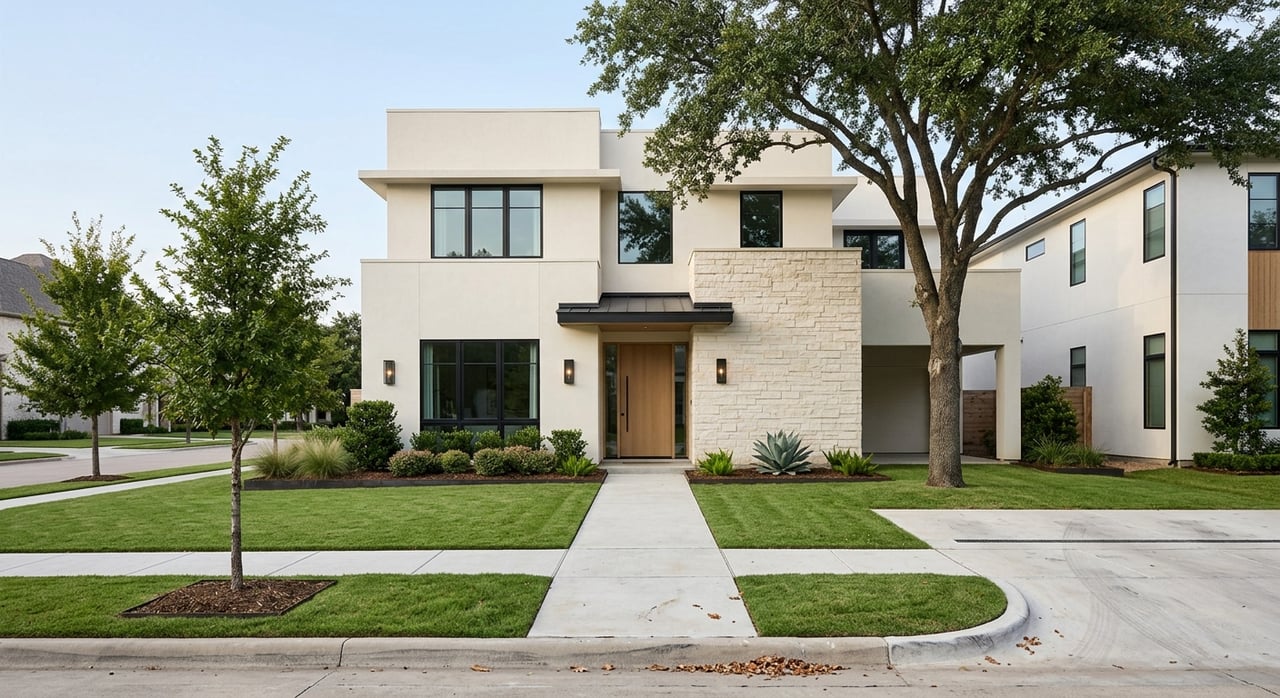
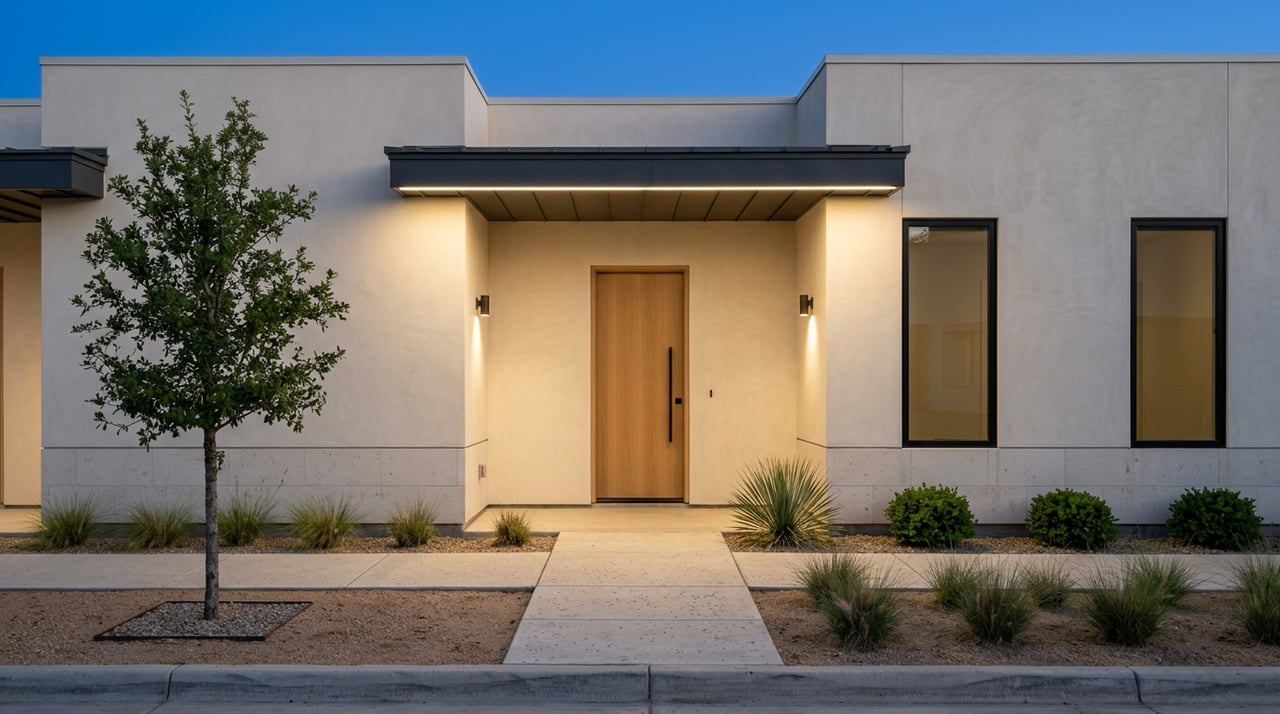
Improve curb appeal
Curb appeal remains one of the strongest pre-listing wins. According to NAR, 92% of REALTORS® recommend improving curb appeal before listing, and 97% say curb appeal is important in attracting a buyer.
That does not mean you need a total exterior makeover. It means the front of your home should feel clean, maintained, and welcoming from the moment a buyer pulls up.
A simple curb appeal checklist may include:
- Refreshing landscape beds
- Trimming overgrown shrubs or trees
- Cleaning walkways and the driveway
- Touching up worn exterior paint where needed
- Making sure the entry feels neat and well-kept
Refresh paint and worn finishes
Paint is often one of the smartest pre-listing updates because buyers notice it immediately. NAR reports that sellers are often advised to paint the whole home or at least one room before selling.
Fresh paint can help cover wear, brighten dark spaces, and make the home feel cleaner and more move-in ready. If your walls have heavy scuffs, bold personal colors, or patchwork from past repairs, a fresh coat can go a long way.
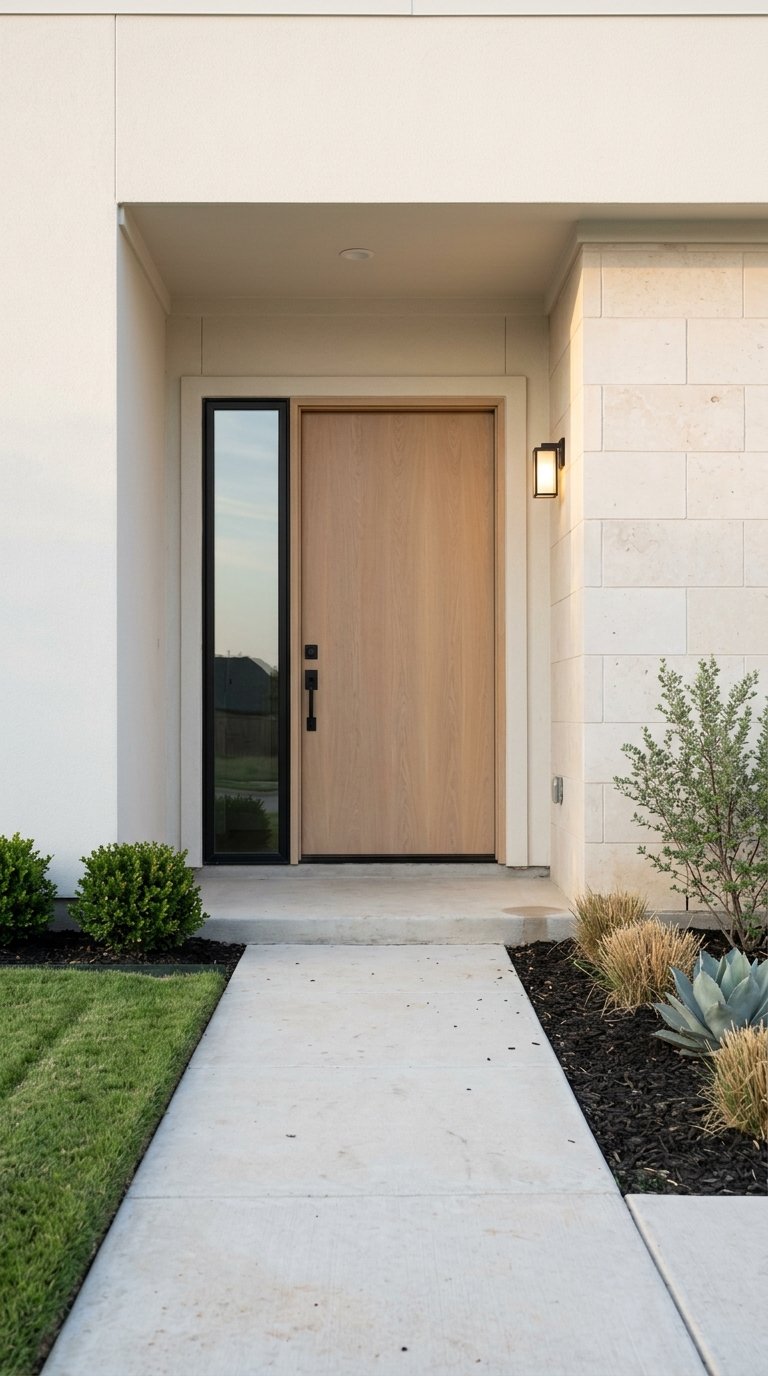
Do not ignore the front door
Entry updates can have outsized impact because they shape a buyer’s first impression. NAR’s 2025 cost-recovery data shows strong results for front door replacement, with a new steel front door at 100% and a new fiberglass front door at 80% in national estimates.
That does not mean every Arlington seller needs a new door. But if your front door is damaged, dated, or tired-looking, this is a useful area to evaluate because buyers see it up close and early.
Choose light upgrades over major remodels
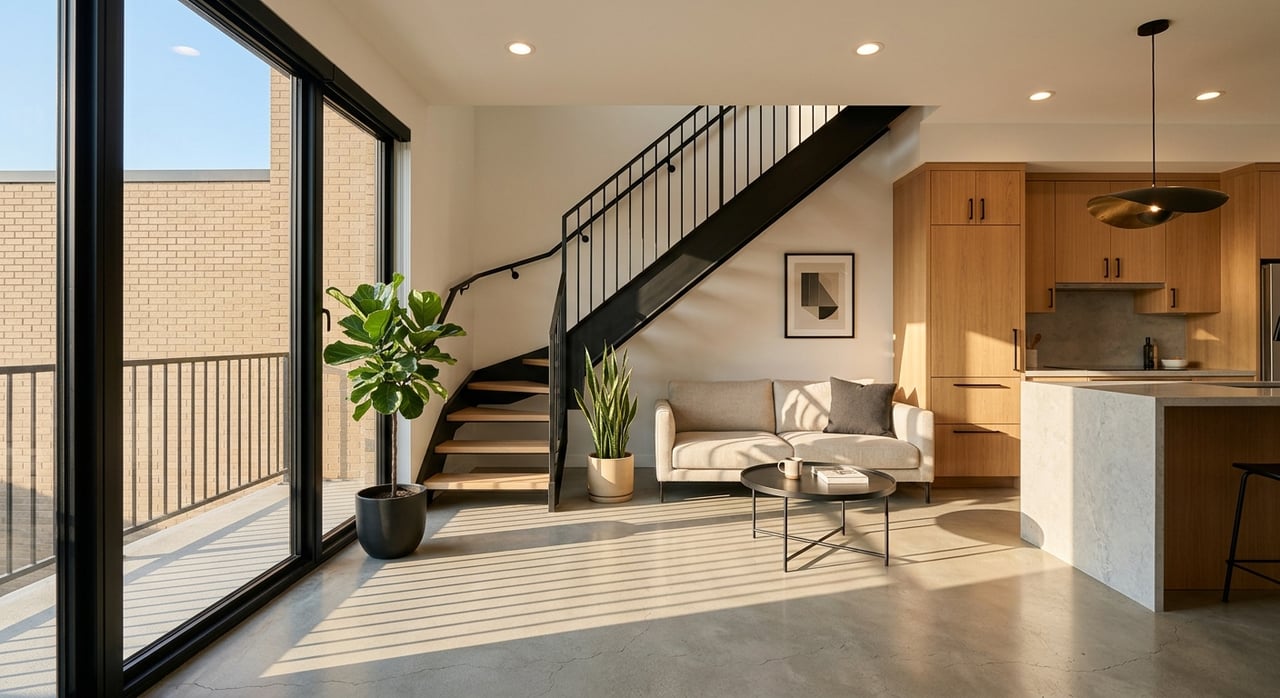
A common question is whether you should remodel the kitchen or bathroom before listing. In most cases, if you are close to market, a lighter refresh makes more sense than a full renovation.
National cost-recovery estimates support that approach. Minor kitchen upgrades and complete kitchen renovations were both listed at 60%, while bathroom renovations came in at 50%, which suggests that bigger interior remodels may not be the best pre-sale use of your budget unless they solve a clear function or condition issue.
What a smart refresh can look like
You do not need to create your dream renovation for the next owner. Instead, focus on updates that reduce distractions and help the space feel clean and functional.
That may include:
- Repainting walls or cabinets if they show wear
- Replacing damaged flooring
- Fixing broken hardware or fixtures
- Addressing outdated or worn finishes that make the room feel neglected
The goal is simple. Spend until the next dollar stops reducing buyer objections or improving first impressions.
When a bigger project may be justified
Sometimes a larger project is still the right move. If a kitchen or bathroom has damage, poor function, or visible issues that could turn buyers away, then more substantial work may help protect the sale.
The key is to make that decision based on condition and marketability, not personal taste. Buyers respond better to a home that feels cared for than to a remodel shaped around highly specific style choices.
Know which Arlington projects need permits
One of the biggest mistakes sellers make is underestimating timing. In Arlington, some updates are cosmetic and easier to complete quickly, while others require permits, registered contractors, and inspections.
Understanding that difference can help you build a realistic pre-listing timeline.
Cosmetic work usually moves faster
Arlington says cosmetic work such as replacing flooring, wallpaper, and paint does not require a permit. That makes these updates efficient options when you want visible improvement without a long approval process.
For sellers on a shorter timeline, this matters. Cosmetic projects can often help you make the home feel fresher without getting pulled into permit-related delays.
Regulated work needs more lead time
Arlington identifies several projects that do require permits. These include window replacement, exterior door replacement, many kitchen and bath remodels, wall removals, garage conversions, changes to the home’s framework, and foundation repairs.
The city also maintains contractor registration requirements for many trades, including electrical, HVAC, plumbing, and roofing. So if your project goes beyond cosmetics, factor in contractor vetting, registration, insurance, and inspection scheduling.
Keep your records organized
Pre-listing prep is not just about the work itself. It is also about being ready to document what was done.
Keep invoices, permits, contractor information, and repair details together in one place. That makes it easier to complete your seller disclosure accurately and helps you answer buyer questions with confidence.
Special note for older homes
If your home was built before 1978, lead-based paint rules may affect both your pre-listing work and your sale. Federal law requires disclosure of known lead-based paint information before sale, and buyers must be given the opportunity for a lead inspection or risk assessment.
For renovation, repair, or painting that may disturb lead-based paint, EPA guidance recommends testing for lead and using lead-safe certified firms when lead is suspected. If your Arlington home is older, plan for that early so your prep work does not create avoidable delays.
A simple Arlington prep strategy
If you want a practical order of operations, keep it simple. Start with the items that protect the transaction, then move to the items that improve buyer perception.
A smart pre-listing sequence often looks like this:
- Address safety, structural, roof, plumbing, electrical, or moisture issues
- Plan early for any work that may require permits or inspections
- Refresh curb appeal and exterior presentation
- Update paint, flooring, and other worn cosmetic finishes
- Organize invoices, permits, and disclosure-related documents
This kind of plan helps you avoid spending in the wrong places. It also supports a smoother launch when it is time to bring your Arlington home to market.
If you want a clear prep roadmap before you list, Hilary Waters can help you evaluate which updates are worth doing, which ones may slow your timeline, and how to prepare your home with confidence.
FAQs
What pre-listing repairs should Arlington sellers do first?
- Start with safety issues, water intrusion, visible damage, roof concerns, structural problems, and other items that may affect inspections, financing, or buyer confidence.
Do Arlington home updates always need a permit?
- No. Arlington says cosmetic work like paint, flooring, and wallpaper does not need a permit, but windows, exterior doors, many remodels, wall changes, and foundation repairs often do.
Should Arlington sellers remodel the kitchen before listing?
- Usually, a light refresh makes more sense than a full remodel if you are close to listing, unless the kitchen has condition or function issues that could hurt the sale.
How does foundation repair affect an Arlington listing timeline?
- Structural foundation repair in Arlington requires a building permit, and related plumbing or electrical work may need separate permits and inspections, so it should be planned early.
What documents should Arlington sellers keep after repairs?
- Keep invoices, permits, contractor details, and any repair records together so you can complete seller disclosures accurately and answer buyer questions clearly.
What should sellers of older Arlington homes know before pre-listing work?
- If the home was built before 1978, lead-based paint rules may apply, so known lead information must be disclosed before sale and lead-safe planning may be needed for repair or painting work.