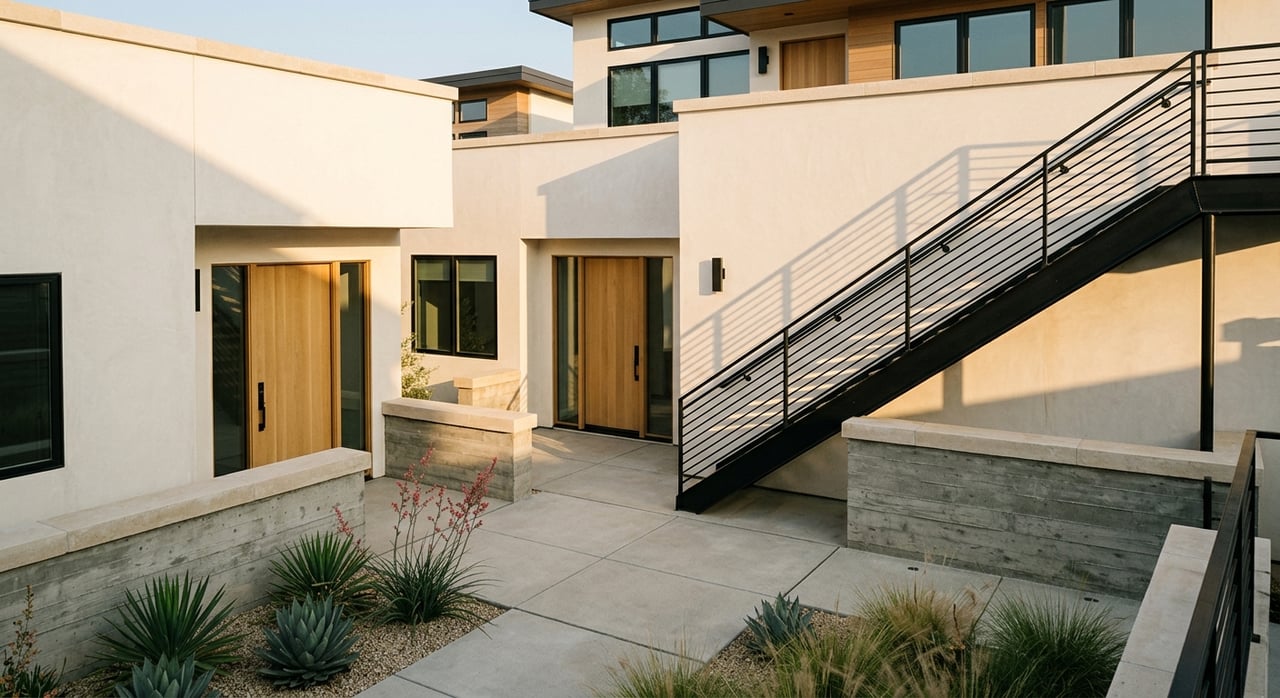
Buying a new construction home in Dallas can feel exciting right up until the details start piling up. You may love the idea of a brand-new home, modern finishes, and fewer immediate repairs, but the process is often very different from buying a resale home. If you want to avoid surprises, protect your budget, and make confident decisions from contract to closing, this guide will help you understand what matters most. Let’s dive in.
Start With the Lot, Not the Floor Plan
In Dallas, the homesite itself can shape the entire buying process. That is especially true for infill lots inside city limits, where zoning, preservation rules, drainage, and utilities can affect what gets built and how quickly it moves forward.
The City of Dallas uses DallasNow for permitting and offers residential new-construction checklists, forms, and zoning resources. Buyers looking at homes in the city should know that a parcel may also be affected by historic areas, deed restrictions, special use permits, conservation districts, or neighborhood overlays.
This does not mean you should avoid Dallas new construction. It means you should check the lot as carefully as you check the home design, especially if you are buying in a more urban or infill setting.
Watch for historic review
If a property is in a historic district, exterior work cannot simply begin when the builder is ready. Certificates of Appropriateness are required before exterior work starts, and applications for new construction or major remodels must be reviewed with the district preservation planner before the submittal deadline.
For you as a buyer, that can affect timeline expectations and design decisions. A beautiful modern plan may still need to work within district review requirements.
Watch for floodplain and drainage issues
Dallas also reviews development in the 1% annual-chance floodplain before construction permits are issued. The city’s residential infill materials also note that some lots may use an infill grading waiver, and lot-to-lot drainage is prohibited.
That matters because drainage concerns can affect feasibility, timing, and site work. If you are considering a new build on an infill lot, parcel-level due diligence is essential.
Know That New Construction Uses Different Contracts
A new construction purchase in Texas is not just a resale transaction with upgraded finishes. Texas has separate TREC contract forms for new homes with complete construction, new homes with incomplete construction, and resale homes.
That means the paperwork, timing, and negotiation rhythm are built around construction. You are not just agreeing to buy a house. In many cases, you are agreeing to a process that unfolds over time, with build stages, selections, deadlines, and closing milestones.
For buyers, this is where strong representation can make a real difference. A broker who understands new construction can help you compare the builder’s documents to the TREC structure and keep the moving pieces organized.
Builder deposits deserve close review
Builders may ask for an upfront builder deposit, sometimes called earnest money. Before you commit, you should ask under what conditions that deposit can be returned.
That question matters more in new construction than many buyers expect. If the timeline changes, your financing shifts, or you decide not to move forward, the deposit terms become very important.
You can shop for your lender
Builders often have an affiliated lender, but you do not have to use that lender. Buyers can shop around for a better lending option, and they can often shop third-party closing service providers as well.
This is worth remembering when incentives are offered. A builder’s preferred lender package may be attractive, but it still makes sense to compare the full picture, including rate, fees, and flexibility.
Understand HOA and Community Rules Early
If you are buying in a suburban Dallas-area new-home community, site planning may be easier to evaluate than in the city core. Even so, community restrictions still matter.
Texas has a specific TREC addendum for properties subject to mandatory HOA membership. That is a good reminder that HOA rules are part of the contract conversation, not just something to skim after the fact.
Before you move forward, make sure you understand what the community requires. Rules around exterior changes, parking, use of common areas, and other restrictions can affect how the home works for your lifestyle.
Treat Design Selections Like Budget Decisions
One of the most exciting parts of buying new construction is choosing finishes and features. It is also one of the easiest places for a budget to drift off course.
The design-center phase is not just about style. It is the point where your preferences become contract language, allowances, and change orders.
Builder guidance commonly states that upgrades and selections should be added to the purchase contract, and that the contract, change orders, and design selections should be reviewed together. The stage of construction also affects which changes can still be made.
Make choices early and in writing
The farther a build progresses, the less flexibility a builder usually has. A simple finish request can become more expensive or unavailable if you wait too long.
That is why clear documentation matters. You want to know what is included, what counts as an upgrade, what requires a written change order, and when a requested change is no longer realistic.
Keep your selections organized
A good system can save you money and stress. Track your decisions in one place and review them against the contract documents.
Here are a few smart habits during the selections phase:
- Confirm what is standard versus upgraded
- Get changes documented in writing
- Review pricing before approving upgrades
- Ask how construction stage affects your options
- Keep copies of change orders and selection sheets
Plan for Inspections Before Closing Day
A new home is still a home under construction, and that means inspections still matter. Even with city code enforcement in place, an independent inspection can help you catch issues before closing.
Consumer guidance recommends making the purchase contract contingent on financing and a satisfactory inspection. It also recommends scheduling an independent inspection as soon as possible, attending the inspection if you can, and completing a final walk-through before closing.
Dallas Inspection Services adds a local layer by enforcing city codes and regulations for new construction. That is helpful, but code compliance and an independent inspection are not the same thing.
Final walk-through is your last check
Before closing, you should confirm that agreed items, repairs, and included features are actually present. The final walk-through is your chance to verify the home’s condition before ownership transfers.
Bring your documents and compare the home to what was promised. This step is especially important when the timeline has been busy or the builder is finishing multiple items at once.
Get Familiar With the Closing Timeline
Closing on a new construction home can feel fast at the end, even if the build itself took months. That is why it helps to understand a few timing basics upfront.
In most mortgage transactions, the Closing Disclosure must be delivered three business days before closing. If numbers change late in the process, that can affect your preparation and review window.
You should also make sure your financing, inspection steps, and final walk-through are lined up early. A smooth closing usually starts with good planning well before the last week.
Learn the Difference Between Warranty Types
Many buyers hear the word warranty and assume all coverage works the same way. It does not.
A builder warranty comes with new home construction or a remodel. A home warranty, by contrast, is a paid service contract that typically applies to existing homes and systems like appliances or HVAC.
The FTC notes that many builder warranties follow a common pattern:
- One year for workmanship and materials
- Two years for HVAC, plumbing, and electrical systems
- Up to 10 years for major structural defects
Exact terms vary by builder and warranty provider, so you should read the actual warranty documents carefully.
Know how claims are handled
If issues show up after closing, keep every communication in writing and follow the warranty claim procedure exactly. Written records matter.
The FTC advises filing claims in writing, keeping records, and understanding that some warranties may require mediation or arbitration. If the issue goes beyond punch-list items, that paperwork becomes even more important.
Understand Texas Defect Notice Rules
If you discover a construction defect after closing, Texas has a process you need to know. Under Chapter 27 of the Texas Property Code, a claimant must give the contractor certified-mail notice at least 60 days before filing suit or starting arbitration for a construction defect claim.
That notice must describe the defects in reasonable detail. For buyers, this means you should not assume frustration alone is enough to start legal action.
The better path is to stay organized from day one. Save emails, warranty requests, inspection notes, and photos so you can clearly document what happened and when.
Why Construction-Savvy Guidance Matters in Dallas
Dallas new construction can offer real opportunity, from suburban communities to design-forward infill homes closer to the urban core. But the path to closing often includes land questions, builder documents, deposit terms, design deadlines, inspections, and warranty planning.
That is why working with someone who understands both the transaction and the construction process can help you move with more confidence. When you have a clear plan from foundation to finish, it becomes easier to protect your budget, ask better questions, and stay focused on the home you are building toward.
If you are thinking about buying a new construction home in Dallas and want clear, step-by-step guidance through the process, connect with Hilary Waters to schedule a consultation.
FAQs
Do I need a private inspection for a new construction home in Dallas?
- Yes. Independent inspections are recommended as soon as possible, even for newly built homes.
Can I use my own lender for a Dallas new construction home?
- Yes. Builders may have an affiliated lender, but you can shop around for a lender and can often compare third-party closing service providers too.
What happens if I want to change finishes during a Dallas new build?
- Changes should be documented in the contract or written change orders, and the stage of construction may limit what the builder can still accommodate.
What should I check if a Dallas new construction lot is in a historic district or floodplain?
- You should expect possible preservation review, floodplain review, or drainage-related requirements before construction can proceed.
What should I do if I find defects after closing on a Texas new construction home?
- Follow the builder’s warranty process, keep all communication in writing, and remember that Texas requires a 60-day certified-mail notice before filing suit or starting arbitration for a construction defect claim.